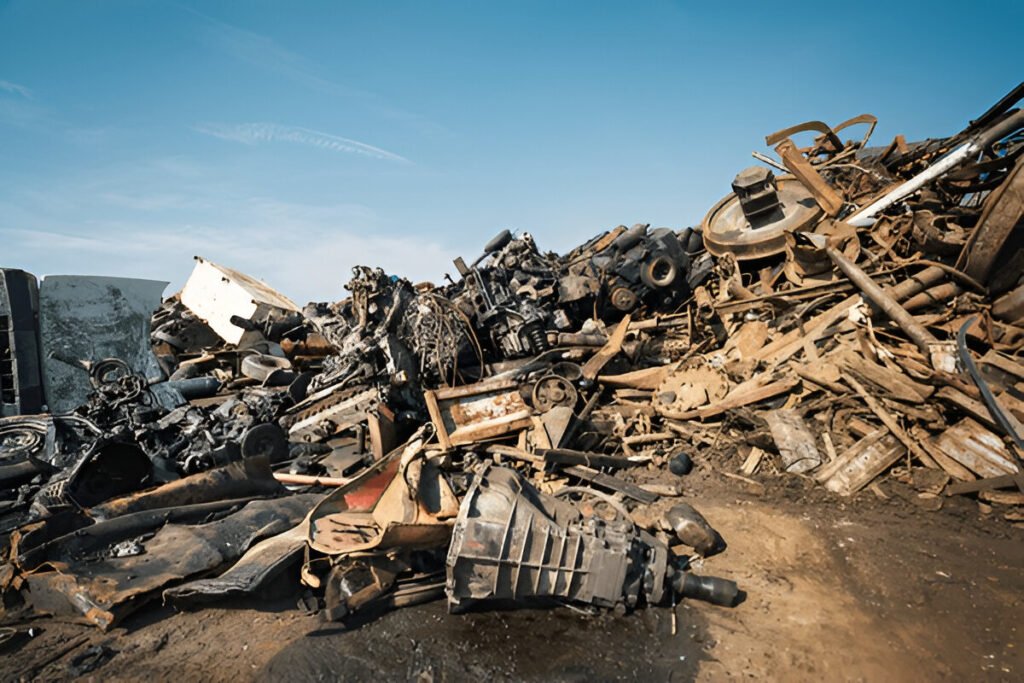
When preparing to sell Industrial Scrap or obsolete equipment, having a detailed inventory list can significantly streamline the process, maximize your returns, and help you stay organized. Whether you’re planning a demolition disposal project or downsizing your facility, a clear and accurate inventory can make all the difference.
At JJ Liquidations, we’ve worked with hundreds of businesses across the U.S. to evaluate and purchase high-value industrial assets, including turbines, electrical components, and industrial metal scrap. Here’s how you can create an efficient inventory list before initiating a scrap sale.
Step 1: Categorize Your Equipment and Scrap
Begin by walking through your facility and organizing assets into logical categories. Common categories include:
- Electrical equipment (switchgear, panels, transformers)
- Mechanical machinery (turbines, compressors, pumps)
- Metal structures (steel beams, piping, frames)
- Miscellaneous scrap (copper wire, aluminum parts, stainless steel)
If you’re planning a demolition disposal project or a full industrial dismantling, breaking the inventory into zones or building sections can make the process more manageable.
Step 2: Document Each Item
Each inventory entry should include the following:
- Item Description – Include type, model, brand, and condition
- Location – Note where the item is physically stored
- Quantity – Number of units or approximate weight
- Material Type – For metals, specify if it’s copper, brass, aluminum, etc.
- Photos – Visual references help Industrial Scrap buyers provide quicker evaluations
This level of detail helps top industrial scrap buyers in the USA like JJ Liquidations give accurate quotes and expedite the logistics process.
Step 3: Highlight High-Value Items
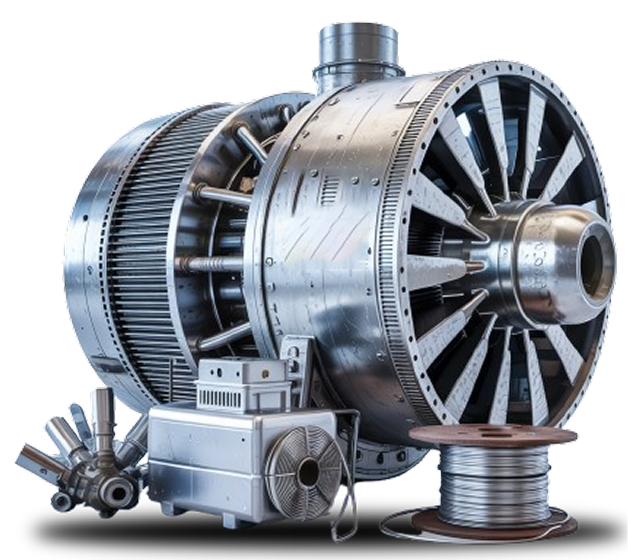
Some items, like gas turbines, circuit breakers, or copper cabling, have significantly higher market value. Separate and label these in your inventory. For example, if you’re dealing with used turbines, note if they are candidates for turbine recycling, which can yield better returns than selling as general scrap.
Our team at JJ Liquidations specializes in turbine recycling and has the expertise to evaluate turbine parts, blades, and components for resale, reuse, or eco-friendly recycling.
Step 4: Remove Non-Scrap Items and Hazards
Before finalizing your list, be sure to remove:
- Items that are still in use or under lease
- Hazardous materials not suitable for resale (chemicals, asbestos, etc.)
- Items that may need to be decommissioned before dismantling
This not only ensures a cleaner list but also improves safety and compliance during the industrial dismantling or scrap removal process.
Step 5: Consult with Scrap Buyers
Once your inventory list is complete, share it with trusted scrap buyers for evaluation. The top industrial scrap buyers in the USA will usually request your list, photos, and relevant specs to provide a preliminary offer.
At JJ Liquidations, we offer free evaluations and fast responses for all types of industrial metal scrap. Whether you’re looking to sell turbines, electrical systems, or large volumes of steel and copper, we provide competitive payouts and nationwide service.
Final Thoughts
Creating a clear and comprehensive inventory list before selling your industrial scrap is more than just paperwork—it’s a strategic step that helps maximize value, minimize delays, and simplify the sale process.
Whether you’re managing a full demolition disposal, planning an industrial dismantling project, or liquidating assets from a facility closure, JJ Liquidations is here to assist every step of the way.
Contact JJ Liquidations today to get a fast, free quote for your inventory. We’re proud to be among the top industrial scrap buyers in the USA—and we’re ready to turn your surplus into cash.